📰 Makale
Gulets for sale in Turkey: history, types and buying guide
20 Ekim 2026 · 6 dk okuma

The gulet is Turkey’s most distinctive contribution to the world of yachting. These broad-beamed, wooden-hulled motorsailers originated along the southwestern Turkish coast and have evolved from working fishing and cargo boats into some of the most sought-after charter and private yachts in the Mediterranean. If you are considering buying a gulet, Turkey is where the selection, the expertise and the value are concentrated.
A brief history
The word “gulet” (also spelled gullet or goelette) has roots in the French “goelette,” meaning schooner, but the Turkish gulet has developed its own character entirely. The modern gulet descends from the coastal trading vessels of the Bodrum peninsula, where master shipbuilders (kalafat ustalari) have been building wooden boats for generations. In the mid-20th century, as coastal trade declined and tourism grew, these yards began adapting their traditional designs for leisure use.
The transformation accelerated in the 1970s and 1980s with the rise of the “blue voyage” (mavi yolculuk), a uniquely Turkish style of coastal cruising popularised by writer and intellectual Cevat Sakir Kabaagacli, known as the “Fisherman of Halicarnassus.” The blue voyage concept turned gulets from workboats into floating holiday homes, and the demand for purpose-built charter gulets reshaped the boatbuilding industry along the Aegean and Mediterranean coasts.
How gulets are built
Traditional gulets are carvel-planked wooden vessels built on heavy frames. The preferred timbers are Turkish pine (Pinus brutia) for planking and iroko, mahogany or oak for structural members. The keel is typically oak or iroko. Modern gulets often incorporate epoxy saturation of the hull for improved waterproofing, and some yards use cold-moulded construction (multiple layers of veneers laminated with epoxy) for lighter, stronger hulls.
The construction process is labour-intensive and takes 12 to 24 months for a typical 24-metre gulet. The hull is built upside down on the building frame, then turned over for outfitting. Interior joinery is done by specialised carpenters and is one of the areas where Turkish yards excel: the woodwork inside a well-built gulet is furniture-grade.
In recent years, steel and aluminium gulets have also appeared, offering the gulet layout and aesthetic with a metal hull’s longevity and lower maintenance. Composite construction (fibreglass over a foam or balsa core) with a traditional gulet design has also been attempted, though purists debate whether these are truly gulets or simply motorsailers with a gulet shape.
Types of gulets
Classic ketch-rigged gulet
The traditional design: two masts, with a taller mainmast and a shorter mizzen. The rig is typically simple, with roller-furling headsails and often a mizzen staysail. Sailing performance is modest; these boats motor more than they sail, but the rig provides stability, a place to hang awnings, and the romantic silhouette that defines the type. Sizes range from 18 to 35 metres, with 20 to 28 metres being the most common for charter.
Motorsailer gulet
A hybrid design with a more powerful engine installation and reduced sail area compared to the classic ketch. The masts may carry sails that are primarily decorative or provide supplementary power in favourable winds. The emphasis is on motoring comfort, with larger engine rooms, better soundproofing and more spacious interiors. This type dominates the luxury charter fleet.
Luxury or mega gulet
The top end of the market: gulets from 30 to 50 metres or more, with multiple en-suite cabins, crew quarters, air conditioning, generators, water makers, tenders and all the amenities of a modern superyacht, wrapped in a traditional wooden aesthetic. These vessels command charter rates comparable to steel motoryachts of similar size, and their construction requires 2 to 4 years with the highest quality materials.
What to look for when buying
Buying a gulet requires attention to several areas that differ from buying a fibreglass production boat:
Hull condition: Wood is a living material. Inspect for rot, especially at the waterline, around deck fittings, at the garboard strake (where hull meets keel) and in areas with poor ventilation. Moisture meter readings are essential but must be interpreted by someone experienced with wooden hulls, as acceptable moisture levels differ from fibreglass.
Frame and structural timber: The frames are the skeleton of the boat. Cracked, split or rotten frames compromise structural integrity. Replacing frames on a large gulet is a major (and expensive) yard job. Look inside lockers, behind linings and under sole boards to assess frame condition.
Fastening condition: Traditional gulets use bronze or stainless steel fastenings. Over time, fastenings can corrode or lose grip, leading to planking movement and potential leaks. A thorough survey will include spot-checking fastenings by pulling samples.
Engine and systems: Gulets typically run twin diesel engines (200 to 500 HP each for a 24-metre boat) plus generators for electrical load. Engine hours and maintenance history matter enormously. Fresh water systems, black water treatment, air conditioning and hydraulics (for anchor windlass and passerelle) should all be tested.
Deck and superstructure: The wide, flat aft deck is the gulet’s signature feature. Check the deck planking for gaps, caulking condition and any evidence of water penetrating to the beams below. Deck beams on gulets are structural and their condition is critical.
Yard history: Know where the boat was built and who has maintained it. The best Turkish yards keep detailed build records. A gulet built in a reputable yard (Bodrum, Bozburun, Marmaris, Fethiye, Antalya) with documented maintenance is worth significantly more than one of unknown provenance.
Charter potential and return on investment
Many gulet buyers offset ownership costs through charter. Turkey’s gulet charter market is well-established and operates primarily from May through October. A well-maintained 24-metre gulet with 4 to 5 cabins can generate significant charter revenue during the high season (July and August) and shoulder months.
Charter management companies handle bookings, crew, provisioning, maintenance scheduling and regulatory compliance. The typical arrangement is a revenue-sharing model where the owner receives 50 to 60 percent of the gross charter fee. Revenue depends heavily on the boat’s condition, marketing, crew quality and booking management.
Be realistic about projections. Charter income rarely covers 100 percent of ownership costs, especially in the first years when the boat may need upgrades to meet charter expectations. What it does is significantly reduce the net cost of ownership and keep the boat maintained and exercised during months you are not using it yourself.
Where gulets are built
The main gulet building centres in Turkey are Bodrum, Bozburun (near Marmaris), Fethiye, Gocek and Antalya. Each area has its own character and specialisation. Bodrum yards are the most famous and produce both traditional and modern designs. Bozburun is known for high-quality traditional woodwork and has a cluster of smaller, family-run yards that build custom gulets. Fethiye and Antalya have yards that handle both new builds and major refits, with good infrastructure for larger vessels.
When buying a new-build gulet, choosing the right yard is as important as choosing the right design. Visit the yard, look at boats under construction, talk to the builders and inspect their previous work. A reputable yard will have references from satisfied owners and a track record of delivering on time and on specification.
For gulets currently listed for sale in Turkey, visit our marketplace. For a pre-purchase survey on any gulet, contact us at +90 501 5 SURVEY (78 78 39).
İlgili makaleler
Tümü → 📰 MakaleTekne vergi ve harçları rehberi: ÖTV, KDV, bağlama kütüğü ruhsatname harcı ve gümrük21 Eki 2026Tekne alımında ve sahipliğinde hangi vergiler ödenir? ÖTV, KDV oranları, ruhsatname harcı ve muafiyetler.
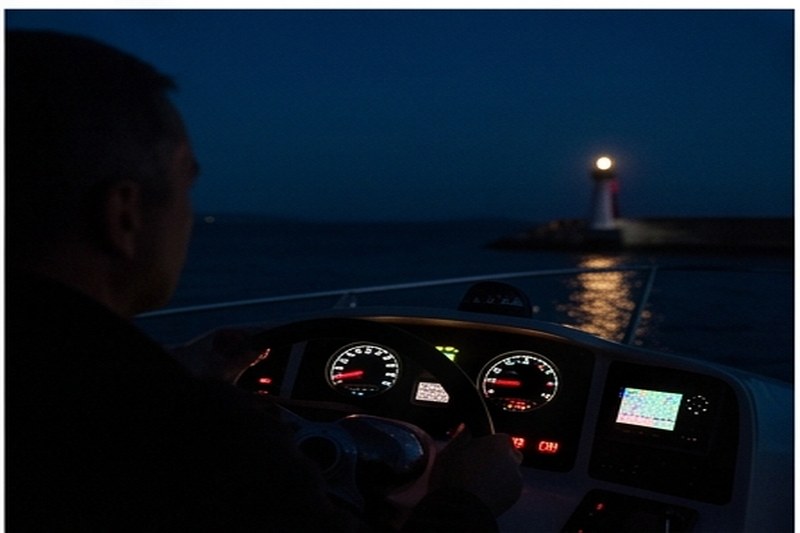 📰 MakaleGece seyri rehberi: tekne ile karanlıkta güvenli seyir kuralları ve hazırlık21 Eki 2026Teknede gece seyri nasıl yapılır? Fener kuralları, gece görüşü ve güvenlik ipuçları.
 📰 MakaleTekne tescil ve bağlama kütüğü rehberi: kayıt işlemleri, gerekli belgeler ve süreç21 Eki 2026Tekne tescili nasıl yapılır? Bağlama kütüğü kaydı, gemi siciline kayıt ve gerekli evraklar.